How Much Protein You Need and

Pro Bodybuilders eat about one gram (sometimes even 1.5 grams) of protein per pound of body weight or per pound of non-fat tissue. I'm sure you've seen that the recommended dail

Comments

Showing posts with label Nutrition. Show all posts

Sunday, September 25, 2016

7 Testosterone Boosting Foods to a Better Life

If your intent is to increase testosterone naturally then it is important to find foods that can help you accomplish this. The mineral zinc has been proven to help naturally produce testosterone. Remember, eating these testosterone boosting foods once is not going to turn you into the raging hulk. It's important to incorporate these testosterone boosting foods into your weekly routine. Stick with it.
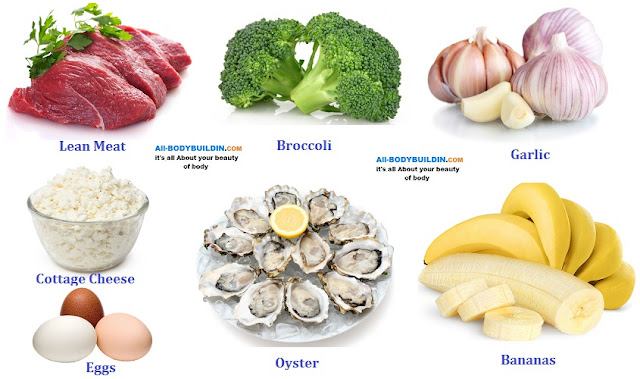
 Testosterone Boosting Foods
1. Lean Meat
Lean meat contains zinc, saturated fat, and protein to name a few. As mentioned above zinc is well known as a key element to naturally boost testosterone. You know protein is essential to building muscles, but you may not know that consuming protein also helps boost testosterone levels. Saturated fat is also needed (moderation of course) to boost testosterone.
2. Broccoli
Studies have shown that heightened estrogen levels lead to the accumulation of fat and can prevent muscle growth. Broccoli contains indole-3-carbinol which has been found to cut estradiol in half for men (which is good). Eat broccoli whenever possible to help increase your testosterone naturally.
3. Cottage Cheese
Eat 1% milk fat cottage cheese. Cottage cheese is packed with protein and low in fat. Protein is good for testosterone production.
4. Oyster
Oysters contain large amounts of zinc and protein. Try to eat them a couple times a week if you can. If you can stomach them raw feel free to do so. Do not fry your oysters.
5. Garlic
Garlic combined with a high protein diet has shown to increase your levels of testosterone naturally. Garlic contains the chemical diallyl disulfide, which stimulates the body to release a hormone that spurs the production of testosterone.
6. Bananas
Bananas contain the enzyme bromelain which studies have shown to boosts a man's libido. Bananas are also rich in B vitamins such as riboflavin which are essential to the testosterone manufacturing process.
7. Eggs
Testosterone is synthesized from cholesterol. Eggs are notoriously known for their high levels of cholesterol but that is not a bad thing. Food sources that contain cholesterol are therefore good for naturally increasing testosterone. At the time of this writing I have been eating 6 eggs a day for 52 days and I have never felt better. Muscles are are beginning to show up everywhere and I couldn't be happier.
If you are looking to boost your sex drive, increase your muscle mass, and have a more positive attitude try incorporating these foods into your life. Consistently eating testosterone boosting foods overtime will help in thees areas.

Saturday, August 27, 2016

Best Foods To Eat After Working Out

Many people make the mistake of not eating after a hard workout and they end up not getting the results they were looking for. The reason for this is that their body didn't get replenished properly after their workout and their body needs to get back everything it lost.
Eating after working out is the most important meal to people that are looking to add muscle and mass. Now there are a lot of supplements and protein shakes out their but I am going to be sticking to regular foods that almost everybody has in their house.
You don't have to go out and buy supplements if you don't want to because regular food works almost as good plus it is more convenient for most. I am going to go through the top 5 foods you can eat after a workout to replenish your body and get the best results from your workout.
As you know your body loses an incredible amount of water throughout the workout so make sure you are drinking water and staying hydrated.
These next 5 foods are all high in carbs and protein which replenishes your body and makes it so your body can add muscle and mass.
Baked Chicken and Vegetables:
The chicken needs to be baked and skinless and also try to make sure it is a chicken breast because they contain the most amount of fat. A 4 ounce piece of chicken will have almost 35 grams of straight protein and as well as other stuff such as calcium, zinc, iron and magnesium. It also loaded with potassium and instead of saturated fat most of the meat is monosaturated fat. The vegetables add the carbs and fiber to make it a complete meal. This meal of chicken and vegetables is arguably the best meal anyone can eat after a workout. It provides all of the things your body needs after a workout to achieve its full potential.
Best Foods To Eat After Working Out
Egg Omelet:
You probably see in the movies how boxers and fighters all eat raw eggs after working out and it makes them ripped. But we have come to learn that this is actually really unhealthy for you and you should try to cook the eggs whenever possible. One of the best ways to eat eggs is in an omelet. The reason for this is that you can put a bunch of other healthy stuff in the omelet such as green peppers, onions, any kind of vegetables or chicken. Eggs are also one of the best source of protein out of any foods in the world. Another positive is the how fast you can whip up an egg omelet and eat it. It would probably take 10 minutes max to cook it all up and is perfect if you are in a hurry.
Salmon and Spinach:
Salmon is very rich in protein and omega-3 while the spinach adds all of the vitamins and minerals you need. This is a great tasting option for a meal after a workout and it gives your body everything it needs after a workout.
Tuna and Rice:
Tuna is an old school way to give your body all of the nutrients you need but it is still one of the best. It provides 42 grams of protein in a single can and it is all under 200 calories. This is almost unheard of in any foods and that is why tuna is such a good option for a food to eat after a workout. The rice adds fiber and carbs to make it a very complete meal. If you can try to make sure the rice is brown instead of white because it is much healthier.
Peanut Butter Toast:
This is a simple way to get everything your body needs. It has the peanut butter for protein and the bread adds the carbs. Make sure the bread is whole wheat and the peanut butter is all natural. Try to add some fruit and a glass of milk to complete the meal. This is a quick and easy way to give back the nutrients your body lost.
All 5 of those foods will do a great job of replenishing your body of all of the nutrients your body lost throughout your workout. You can eat almost any food that is high in protein and carbs but try to make sure it is low in saturated fat and sugars. Also try to add a vegetable to your meal to make sure you get all of the vitamins and minerals your body needs. I hope this helped you figure out what you can eat but remember there is plenty more, these are just some of the top options.

Saturday, June 25, 2016

7 Excellent Food Sources For Your Muscle Building Diet

Bulking up largely depends on your muscle building diet. You may be working out all you want but if you're lacking in food nourishment and the right nutrition, you won't be able to build your dream physique. The foods and nutrition that you take in is actually the make or break factor in your muscle building endeavor. You'll want to create an environment that's conducive for muscle growth, and you do this with the aid of the nutrients that you consume from foods and supplements. You've probably come across long lists of muscle building foods, but here's a select -few of muscle building foods that constantly come up in the true bodybuilder's shopping list:
Food Sources For Your Muscle Building Diet


  1. Egg whites is a source of pure protein. This muscle building diet food source has a fat to protein ratio of 60:1. Otherwise called as a magnificent muscle growth food, egg whites also has an extremely high biological value. Egg whites is a large source of protein that is readily utilized by the body for protein synthesis. This rich protein food contains carbohydrates and vitamins and minerals as well.

  2. Chicken and turkey are lean meats for building serious muscle. These foods are staples in every bodybuilder's workout diet. Chicken and turkey breasts are excellent sources of high-quality protein. They contain extremely low amounts of saturated and trans fats.

  3. Fish is a rich source of omega-3 essential fatty acids. Although it's normally recommended in a muscle building diet to eat less fat, fish is an exception to that. Oil from fish supports the muscle building process. Go for cold water fishes such as trout, tuna, salmon and sardines contain sufficient amounts of healthy protein and fats. Add canned fish packed in water in your shopping list. It's a quick protein source for munching especially when you're on the go.

  4. Beans and legumes are delicious sources of fiber and protein. Serious muscle builder should not ignore the power of beans and legumes in building muscles. Eating fiber-rich foods supports normal bowel movement and regulates the secretion of insulin in your body. These nutrients aid in the proper absorption of nutrients taken in from foods and supplements. Eat plenty of kidney beans, too. One cup of kidney beans contains 14 grams of protein and fiber.

  5. Lean red meat is an excellent protein source for hard gainers. Cuts of red meat and lean ground beef are excellent food sources for growing muscle mass. They contain ample amounts of zinc, iron, protein and B Vitamins. If you're a hard gainer, chomp up more red meats that contain plenty of calories per serving. Then again, limit your intake of red meats because it is high in saturated fats. Refrain from eating them on a daily basis. In your weekly diet, add red meat to turkey, chicken and fish. It'll add variety and flavor to your muscle building diet.

  6. Low glycemic carbs fuel your muscles. These are slow burning carbs found in sweet potatoes and oatmeal are excellent pre-workout snacks. You build muscles not only with protein nourishment but with carbs, too. When you workout, you use carbs found in your muscles as fuel. So when bulking up your muscles with weights, fuel yourself with slow-digesting carbs, or else your intensity decreases.

  7. Drink 10 liters of water daily to keep yourself hydrated. Doing so will keep your muscles looking full. Due to misinformation, some bodybuilders think that the most important element in building muscles is meat. However, the truth is, water should be the no. 1 item in your list of muscle growth requisites. Water transports nutrients to your muscle cells, and in turn making the nutrients and supplements that you take in more efficient.
There are actually more food sources that will support your muscle gaining goals, but the 7 mentioned edibles above are the basics. Build muscle mass and look good. Rev up your bodybuilding workouts with an efficient muscle building diet.
                                                                    Article Source: http://EzineArticles.com/9451029

Tuesday, May 31, 2016

Best Protein for Building Muscles - Whey Protein As a Muscle Builder

Whey protein is always a hot topic in every gym. It is the so-called best protein for muscle building. Let us take a good look at whey protein as a muscle builder in this piece of information.
Whey is one of the protein sources in milk. When milk is processed to become cheese, the high quality protein whey is filtered out.  But why is it so valuable for building muscles?
Whey is a muscle builder protein. This is because it is readily digested and used by the body. It has high biological value, the measure of how efficient the body can absorb and utilize a certain protein. In fact, whey has one of the highest biological values among all proteins.
Whey Protein
Whey is also rich in amino acids that are essential for the development of new muscle mass as well as the maintenance of it. These supplements are cost-efficient ways to supply sufficient amounts of these amino acids to the muscles.
Without you probably knowing it, whey is also a good way to boost the immune system. This is important because weight lifting and resistance training can cause the immune system to be weakened. To counter diseases, the protein supplement can raise the levels of glutathione, an antioxidant produced by the cells. This has a positive impact to the immune system.
With the above reasons, this protein is worth all the praises from nutritional experts and successful people who have gained the muscles. Whey protein is, indeed, a must-have for individuals who are serious in bulking up and building serious muscles.

Sunday, May 15, 2016

Can Vegetarians Build Muscle?

Can you really build muscle without meat?
This has always been a popular question and today I am going to show you some tips you can use to build muscle - veggie style!
Here are two prime examples of guys who managed to build bulging biceps without beef:
Bill Pearl is probably the most famous vegetarian bodybuilder. He was a Mr. Universe in 1953 and in 1971. (Interesting side note, Bill Pearl beat Sean Connery. Yes, that Sean Connery in 1953. Mr. Pearl did not become a vegetarian until he was 39 and he is a lacto-ovo vegetarian so he consumes eggs and dairy products.
Another interesting example is Kevin Eubanks, the band leader from Jay Leno's Tonight Show. Eubanks also consumes protein powder, eggs and fish. If you're trying to build muscle without meat, here are a few tips to help speed your progress:
Vegetarians Build Muscle


What Can You Eat?
First and foremost, you need to figure out what kind of vegetarian best describes you.
Can you eat dairy? Eggs? Fish?
Fish is a phenomenal muscle-building food. Not only is it high in lean protein but fish also contains healthy fats that provide energy, burn fat and build muscle. So if you can include fish in your diet, by all means, do so.
Next up, eggs.
Natures Perfect Muscle-Building Food?
Old-school bodybuilding trainer Vince Gironda believed that eggs were the perfect muscle-building food.
Vince stated that eggs have a higher biological value than any other protein food. He believed that the consumption of eggs would boost muscle-building hormones within the body and help keep your system in positive nitrogen balance.
Sidenote: Vince also believed that you must consume your eggs raw to reap maximum benefits.
Add Dairy To Build Mass
Often times, vegetarians struggle to build muscle because of low fat intake. Ultra-low fat intake hampers testosterone which is one the prime hormones for muscle building. By adding dairy to your diet, you can boost your fat intake. (Eggs are also high in fat).
For Strict Vegetarians
If you cannot consume eggs, dairy or fish and you still wish to build muscle, I would make the following suggestions.
#1) Invest In A Good Protein Powder
The truth of the matter is, you need to keep your protein intake high to build muscle. It is nearly impossible to get 200 or 300 grams of protein per day from fruit, vegetables and gains, so a good protein powder will go a long way.
#2) Add Healthy Fats To Bump Up Calories
It's impossible to gain weight if you are not taking in more calories than you're burning off. And it's hard to get a lot of calories from a strict vegetarian diet. Try adding extra virgin olive oil or fish oil to your daily diet. Just one tablespoon contains 120 calories. And the extra fat intake could help raise testosterone levels and spare protein.
Am I Recommending A Vegetarian Diet?
No! I am not a vegetarian and I am NOT advising anyone to become a vegetarian. Personally, I believe the healthiest way of eating is to eat like a caveman. Cavemen ate fruits and vegetables, but also meat when the opportunity arose. However, I am not trying to tell you what to do. Some people prefer to eat in a vegetarian manner because it makes them feel better. Others do it because they are concerned about animal rights. Others do it for religious reasons.
No matter what your reasons are, the tips above can help you build more muscle while still allowing you to stick to your principles.
                                                           Article Source: http://EzineArticles.com/984162

Tuesday, May 3, 2016

Protein or Carbohydrates?

This has got to be the biggest controversy in modern bodybuilding. Bodybuilders will say you've got to consume loads of protein to pack on quality muscle mass and increase strength. Nutrition experts say that you must eat a high carbohydrate diet, particularly complex carbs, to improve strength and size, and say that a high protein is of no benefit.
Who is right? You could say both are right. Only a few studies have been carried out looking into high protein intake and improvements in strength and muscle size. The results are inconclusive. Study design was poor, often only having very few subjects, who may be over-training or under-training. Other aspects of diet were often overlooked and most were only carried out on novice weight trainers who may not know how to train correctly. Also, the topic of anabolic steroids is avoided which does increase demand for protein.
Protein or Carbohydrates


Protein
Muscle consists mainly of two proteins, actin and myosin. The turnover rate of amino acids in these proteins is high, and increases upon stimulation such as exercise. If the muscle is worked to maximum effort like during a correctly executed bodybuilding workout, turnover is extremely high. Hence, there is a large demand from the body's pool of amino acids. High carb fans say this demand can be met by only a moderately higher than normal protein intake. High protein fans argue very high levels of protein are needed to meet demand. Bodybuilders who have plateaued in their gains for long periods, have dramatically increased their protein intake and started making gains. Also anabolic steroids increase the rate of protein synthesis within muscle cells, further increasing demand for protein.
Carbohydrate
The argument for a high carb intake comes from the fact that we need energy to fuel our workouts and to recuperate and grow. This is certainly the case for athletes who may need as much as 60% of their energy intake from carbs. High carb advocates also say that a "normal" intake of high protein foods should be eaten, as starchy carbohydrate foods also contain some protein, which will increase protein intake sufficiently. The type of carbs that should be consumed is high fiber starchy ones like whole meal bread, brown rice, whole wheat breakfast cereals, etc.
Using Both Protein and Carbs
Dietitians and nutritionists too often look at the percentage of total energy intake for proteins and carbohydrates. It would be better to look at actual intake levels. Both protein and carbs are needed in high amounts in order to gain muscle for all the reasons discussed above.
The problem in giving general advice is that we are individuals and therefore our requirements for different nutrients vary. If you are trying to gain muscle at the same time as trying to lose body fat, your carbohydrate intake will need to be reduced. If you are a beginner bodybuilder who is very skinny, your protein intake will need to be high and you will need to consume high carb foods regularly to gain weight.
Remember, you will not make good gains unless your protein intake is sufficient. Any successful bodybuilder will tell you this, no matter what so-called experts say and clinical trials show. A reasonably high intake of quality carbs is also required to train on and for recuperation. Eat complex carbs regularly throughout the day.
It is hard to give you figures of how much is required, as we are all so different. But as a general rule for any bodybuilder who is trying to gain muscle size and strength and does not wish to gain bodyfat, the following would be a good guide:
Protein: 1.0-1.5g of protein per pound bodyweight, depending on whether you use anabolic steroids. The intake must be staggered throughout the day at regular intervals.
Carbohydrate: Approximately 2g per pound bodyweight, and eat regularly through the day. As well as the above, remember to eat a balanced healthy diet, which is reasonably low in fat and high in fruit and vegetables
                                                             Article Source: http://EzineArticles.com/23701

Tuesday, April 26, 2016

10 Best Foods For Building Muscle Fast


So you want to build some muscle but are not sure about nutrition? Often times you will hear that nutrition is 80% of peoples success and training is only 20%. This may be true to an extent. Certain foods react differently in the body and cause extreme results, both negative and positive. The best foods for building muscle can vary depending on the person but there are some staples you will find in every bodybuilders kitchen.

omega-3 Eggs


Best Foods For Building Muscle Fast

 Eggs have been vilified for years as artery-clogging foods. But further research into the role of dietary cholesterol and heart disease shows that for most people, the two are not linked. Eggs have since returned to the spotlight as a health food, especially for building serious muscle. The cholesterol found in eggs yolks serves at the scaffolding for steroid hormones, and the ½ a gram of leucine in each egg is like throwing gasoline on your muscle-building fire. 

Fish


 Why fish? Most fish is extremely lean and high in protein. Choosing white fish means you get almost no fat, no carbohydrates, and tonne of protein. Most fish is 20% protein! If you choose a fatty fish such as Salmon, consume in moderation as it contains a high amount of fat (good fat but too much can be detrimental). Most fish can be easily cooked in the microwave making it a convenient option when on the go.


Nuts


Nuts are a must for any guy struggling to put on muscle weight. 1 ounce of cashew or almonds contains 150-170 high quality calories. Nuts are the perfect blend of protein, fats, and fiber, allowing you to get the extra calories you need without having them pad your waistline. Nuts are also extremely portable, making them the perfect thing to snack on during the day if you need to increase your calorie intake.


Rotisserie Chicken


Rotisserie chicken should be your emergency muscle food. Available at almost all supermarkets, rotisserie chickens provide you with readily available ready-to-eat high quality protein in a delicious package. Have one or two breasts, or mix and match light and dark meat—whichever fits your diet.


Sweet Potato or Yam


 This is one the easiest foods to cook. All you need is a paper towel and a microwave and you have yourself a lean source of carbohydrates. 100g of sweet potato has only 20g of carbohydrates. Compare that to bread that has is roughly 40% carbs, sweet potatoes are a good option for anyone looking to make lean gains. This is why it made a the list for best foods for building muscle.


Beef (from grass-fed cattle)


Beef is important for building lean muscle due to its protein content, cholesterol, zinc, B vitamins and iron content. Beef from grass-fed cattle have much higher levels of conjugated linoleic acid (CLA) than conventionally raised cattle, which gives you a boost in shedding bodyfat and building lean muscle.


Wheat germ


Rich in zinc, iron, selenium, potassium and B vitamins, high in fiber and protein, with a good amount of branched-chain amino acids (BCAAs), arginine and glutamine. This makes wheat germ a great source of slow-digesting carbohydrates and a quality protein that’s a perfect food before workouts.


Chia Seeds


Take the most nutritious food item you can imagine, and there’s a good chance it still pales in comparison to the tiny chia seed. Long heralded by indigenous South American peoples as a source of strength and energy, chia seeds are rich in omega-3 and omega-6 fatty acids, soluble fiber, potassium, and antioxidants. Toss them in a shake, or put it in a bowl of oatmeal.


Fermented dairy products


Fermented dairy products like kefir are a little-known magic bullet for muscle building. Kefir is the perfect addition to any muscle-building blender bomb, providing distinct nutritional advantages over water or regular milk. If you usually use water in your shakes, 1 cup of kefir will add 150 calories to your diet. Compared to regular milk, kefir will allow your meal to be more easily digested due to the presence of probiotics (up to 10 billion good bacteria per cup). These healthy bacteria will help keep your digestive track running at peak condition so it can break down and assimilate a maximum amount of calories and nutrients from your meals.

Spinach                                                                                                                                                            


A good source of glutamine, the amino acid that is important for lean muscle growth. In addition to glutamine, spinach can increase muscle strength and endurance.

Wednesday, April 13, 2016

Bodybuilding Diet Mistakes To Avoid At All Costs

1) Eating very little or excessive protein.

Protein is the key nutrient in any bodybuilding diet plan. In order to build muscle one should consume at least 1 gram of protein per pound of lean bodyweight. Less protein can actually hinder one's progress significantly and result in frustration and lack of results. On the other hand excessive protein calories in a diet can be stored as body fat or in some cases used as energy. One gram per pound of lean bodyweight spread over 6 nutritious meals is a great starting point. If you want to build more muscle or you train harder OR you find that you are not recovering as fast you can slowly increase your protein intake to 1.1 grams per pound or 1.25 grams. Protein is the building block for muscle tissue and if you want to build mass OR get ripped you have to start eating more.

2) Eating the wrong types of carbs.

This is one of the most common nutritional mistakes i come across. I see people who want to ass muscle and they eat anything for carbs, from chocolate bars & dohnuts to rice & potatoes! Fact of the matter is, not all carbs are created equal and you will be what you eat, eventually! Most people tend to overeat simple carbs (sugars) which give them an almost immediate rise in energy but also an equally sudden slump. A proper bodybuilding diet, whether it's for mass gaining purposes or leaning out, should consist mostly of complex carbs. Complex carbs are digested slowly and released into the bloodstream steadily over a period of time.
Bodybuilding Diet Mistakes
This provides a steady source of energy for muscles throughout the day. With complex carbs there are no highs and lows in energy as they stay steady throughout the day. Imagine your energy as a line in a graph. With complex carbs, your energy is a completely straight line, always staying high. With simple carbs, your energy line is like a few mountain peaks. It has a few extreme highs but it's followed by extreme lows as well! Carbs have a very significant effect on the way the body utilizes protein. Carbs have a "protein sparing" effect ie when you eat enough carbs, your body will use the protein you give it only for muscle repairing/building purposes. If you don't give your body enough carbs throughout the day, it will automatically break down protein to synthesize glycogen for energy. It's a process called glycogenesis and it will take place when your body is running low on carbs. If your body starts to break down proteins you will enter a catabolic state and your metabolism will slow down significantly. You will also lose muscle & strength.

3) Cheating too much with the wrong foods.

Cheating in any bodybuilding diet is an absolute must. Whether you are dieting for a contest or trying to gain muscle, you should set a specific day of the week where you will be able to have a cheat meal of your liking. The way you cheat depends 100% on how strict you are with your diet. Bodybuilders who are dieting for a contest are the most strict, limiting their cheat meals to once a week or once every two weeks. On the other hand, bodybuilders who are trying to gain muscle mass cheat more often, maybe 2-3 times a week. It is important however to cheat sensibly and not go overboard! If you eat a gallon of ice cream in one sitting and consume over 3000 calories, what do you think will happen? Most likely, the extra calories from sugars & fat will be stored as body fat! The KEY to cheating is to do it with moderation. If you want to be a bodybuilder you should forget about eating anything you want. I don't care how fast your metabolism is! If you eat a ton of cheat meals, it will backfire on you and your progress will slow down.

4) Thinking supplements as the "holy grail".

Nutritional supplements are exactly what they describe! They are there to supplement your diet in case you cannot eat enough nutrients from solid natural foods. Nothing on earth can substitute the power and metabolic effects of natural foods. Supplements provide mostly conveniency when we don't have time to cook but they are in no way better than food. Do not look at supplements as the "solution" to your lack of progress. Yes, some of them do provide an extra boost in strength or fat loss BUT if you do not have a solid diet & training program as the foundation of your bodybuilding goals, supplements will do very little for you.

5) Not eating enough fats & fatty acids.

All fat is not created equal! Eating some fats can actually help you gain mass and keep your body healthy. Most people try to avoid fats like the plague but this approach can actually hinder their mass gaining or fat loss efforts. Egg yolks, virgin olive oil, canola oil, flaxseed oil, natural peanut butter & fish oils are all excellent sources of healthy fats. These not only support a healthy metabolism & hormone production but can provide healthy calories for your bulking up bodybuilding diet. Stay away from saturated fats & trans fatty acids at all costs! They will ruin your physique and cause havoc to your body & health.

6) Not having variety in your diet.

I asked a bodybuilder friend of mine recently how his diet was. His reply was typical: "You know, Kostas, chicken breasts, brown rice, steak, tuna, more rice, baked potatoes..the usual". Don't get me wrong, all of these foods are top of the line for your bodybuilding diets but you can add MORE! Eating the same thing day in day out is really boring. I have eaten so much canned tuna that i cannot even stand to look at it anymore! A bodybuilding diet is a HEALTHY diet first and foremost. Variety is very important - not only for health's sake but also for your mind's sake. Having variety will help you enjoy your nutritional program for years to come and you will also cheat less. There are so many bodybuilding recipe cookbooks out there that give you an immense amount of choices, ideas & healthy alternatives to the staples of chicken & rice.

7) Failing to track calories on a daily basis.

Experts say to measure portions, measure plate fulls or just eat as much as you can (when bulking). I find all this completely wrong. In order to make real progress and see how your body is reacting to your specific diet, you need to accurately track calories. If you do not, you are setting yourself up for frustration. Knowing how many calories you are consuming on any given day can help you make necessary changes if you are not seeing the results you want. You can either keep a diary of your daily calories or you can add them up in excel. Counting calories can be a tedious process at first but you get used to it really fast. Eventually you'll be able to add everything up in your head automatically!

8) Overeating.

If you are trying to gain weight be careful not to fall pray to the "experts" who say that you have to eat everything in sight. Yes, you most definately have to eat a large number of calories & meals every day but that does not mean that you have to stuff yourself like there's no tomorrow! Overeating calories & especially sugars will only make you gain body fat. You can gain a tremendous amount of weight & mass even if you eat clean foods! The only thing you have to do is eat more of them!!

9) Making big changes all at once.

Changing your diet all of a sudden and following a Mr. Olympia's diet will not do you any good. You will end up gaining body fat or starving your muscles. If you want to change your diet, make sure you do so by either increasing or decreasing your calories over a period of time. Start by adding 100 calories every 3-5 days until you have reached the desired caloric intake. Once you reach the desired caloric level keep close track of your body weight & body fat percentage in order to assess whether the new changes in your diet are beneficial or not.

10) Not drinking enough water.

Water is probably one of the most important ingredients for life. Over 70% of our muscles consist of water. Water is needed for all metabolic processes, including protein synthesis. It helps get rid of toxins, it is important in fat metabolism and it can reduce fluid retention. A good rule of thumb is to drink 10 cups of water per day, increasing it during the summer months and during hardcore training sessions. Even the slightest bit of dehydration can make you feel sluggish and hold you back during your training sessions. Never ignore water intake!!

Thursday, March 31, 2016

8 Simple Guides to Nutrition

Below are simple but very important nutritional principals for muscle building. You need to follow a balanced nutritional plan together with muscle building workouts to ensure optimum results. When you are following your workout routines, your body would need enough “fuel” to keep going. These principals would ensure that you will have adequate amount of nutrition that your body needs to gain the maximum benefits from your workout routines.

Principle 1: Fill your stomach every 3 hours per day

Gosh! This could lead to obesity! This is the first impression people would have. Now, let me clear the air of misconceptions. Eating every 2.5-3 hours would make you fat, yes!, if you don’t exercise! But if you are on a quest to build your muscles, your body would require a lot of carb and protein. Being on a 3 meal a-day plan would require a massive intake of carb and protein, and since there is a limit to how much your body can store calories per meal, the others will turn to unwanted fat around your body. So the best way to supplement the adequate amount of the nutrition that your body need is to have frequent wholesome meals.

You should start with your first meal 15-30 minutes after you got up and continue taking meals at every 3 hours gap. Make sure that you take decent size meals so that your body could absorb the optimum calories while preventing unwanted body fat.

Principle 2: Take different kinds of food

Just to give your body a variety of nutrition (and also to do some favor to your taste buds!), you should be eating different kinds of foods. While it is easier to go for a routine meal plan, a variety of food intake would help you to balance out your diet. You might be taking too much carb on your routine meal plan, so by switching to a different food which contains more protein, your calorie intake would be balanced out.

If you only stick to your routine meal plan, soon you would become sick of the food and you would not indulge in it. You would be eating just for the sake of eating without even enjoying it. Chances are that you might even skip a meal as you are too tired of it. This would be detrimental to you muscle building plan.

Principle 3: Ensure adequate intake of Calories

While you are on a muscle building quest, your body needs enough calories to keep going. Depriving your body of the calories that it needs would hamper the growth of muscles. You will not be able to see the desired results although you workout frequently. Calories are the main ingredient for muscle growth so you must make sure that your get enough calories to build your muscles.
Make sure the food take you take contains enough calories that you are going to burn later in the gym.

Principle 4: Ensure at least 50 grams of Protein contents for each meal

Protein should at least make up 35% of your caloric intake. If your body is not getting enough amino acids that it needs, it would take from your muscle tissues. Hence, it will hamper your muscle growth. Make sure you take at least 50 grams of protein content for each meal to build your muscle mass and keep your fat levels low.
Simple Guides to Nutrition

It is good to eat lean meats such as chicken, beef or turkey. Casein and whey are good as supplemental shakes. Also, have an adequate intake of Omega 3 (linolenic acid) and Omega 6 (linoleic acid). You can also eat cheese, yogurt and partly skimmed cheese.

Principle 5: Ensure at least 60 grams of Carb contents for each meal

Carb is needed by your body for muscle building process and shortage of which, your muscle would not grow to the level you expect.
Your intake of carb may consist of simple carb or complex carb. Simple carb can be derived from sugar. But complex carb is highly recommended because it releases energy slowly and more long lasting that would be crucial for your workouts. If you ensure adequate intake of complex carb, it would rarely turn into fat.
Go for complex carbs such as barley, beans, cornmeal, potatoes, brown rice, oatmeal  and whole grains.

Principle 6: Ensure at least 20 grams of Fat contents for each meal.

A well balanced diet should contain approximately 30% of fat. But the fat intake must be balanced out between saturated fat, monounsaturated fat and polyunsaturated fat.

Saturated fat are found in dairy products (especially cream and cheese but also butter and ghee), animal fats such as suet, tallow, lard and fatty meat, coconut oil, cottonseed oil, palm kernel oil, chocolate, and some prepared foods. Monounsaturated fats are found in natural foods such as nuts and avocados, and are the main component of tea seed oil and olive oil (oleic acid). Poly unsaturated fat are found in fish, cereal, whole grain, wheat, peanut butter, margarine, bananas, sunflower seeds and hemp seed.

The fat to avoid at all cost is trans fatty acids. It is formed when vegetables oils are hardened into margarine or shortening. It can be found in foods like french fries, fried chicken, pastries, crackers and doughnuts. These can lead to clogged arteries.

Principle 7: Ensure vegetables intake for each meal

Vegetables are good for their high antioxidant profile that would reduce the free radical (which leads to Rancidification) from your workouts and accelerate the healing of damaged cells. Vegetable and fruits which are high in alkaline are needed to balance out the high levels of acid loads in the blood caused by protein and grains.
So make sure that you have vegetables included for each meal, at least 1-2 cup serving per meal.

Principle 8: Ensure the ratio between whole food and liquid meals is 60:40

Solid food would ensure more vitamins, antioxidants, minerals and fibers to your body. They are loaded with digestive enzymes and help the absorption of food. Liquid food like shakes would save you from cooking but they should make up only 2 out of your 4 meals a day and not more than 3 shakes a day.

Tuesday, March 29, 2016

Top Muscle Building Foods: Best High Protein Foods

I am going to show you all the top muscle building foods, to help you pack on some muscle mass. Firstly, I have to say, that you deserve a hearty “well done” for reading this article.
Food is one of the most important aspects of building muscle. You cannot grow muscle without adequate food. But you probably know this already, so lets get into the top muscle building foods.
 Best High Protein Foods

Top Muscle Building Foods: Best High Protein Foods

Usually when you think about foods that are great for building muscle, you think along the lines of protein. After all, protein is what muscles are made of. If you were to take the water content away from a muscle, you would be left with 80% protein.
Basically, protein is like the bricks of a wall and you need it to build muscle. So here is a list of the top high protein foods:
  • Beef (lean cuts)
  • Turkey
  • Chicken
  • Eggs
  • Fish
  • Cottage Cheese
  • Whey Protein Powder
You will notice that the top high protein foods are mainly meat from animals. There are of course other foods with protein, but there are not usually complete proteins (There are 20 amino acids that make up protein).

I hope these Top Muscle Building Foods lists help you on your path to bigger muscle!